She came to me half-dead, block frozen solid, three decades of Florida salt and somebody's bad decisions in the cylinder bores. The '65 Impala is a straight-up 409 cubic-inch W-series, the big-block that was the whole point of the Super Sport package back when a kid could still afford one. Four-barrel up top, 348-horse from the factory. Now it just sits there, quiet as a held breath, and that quiet is the first thing you have to read.
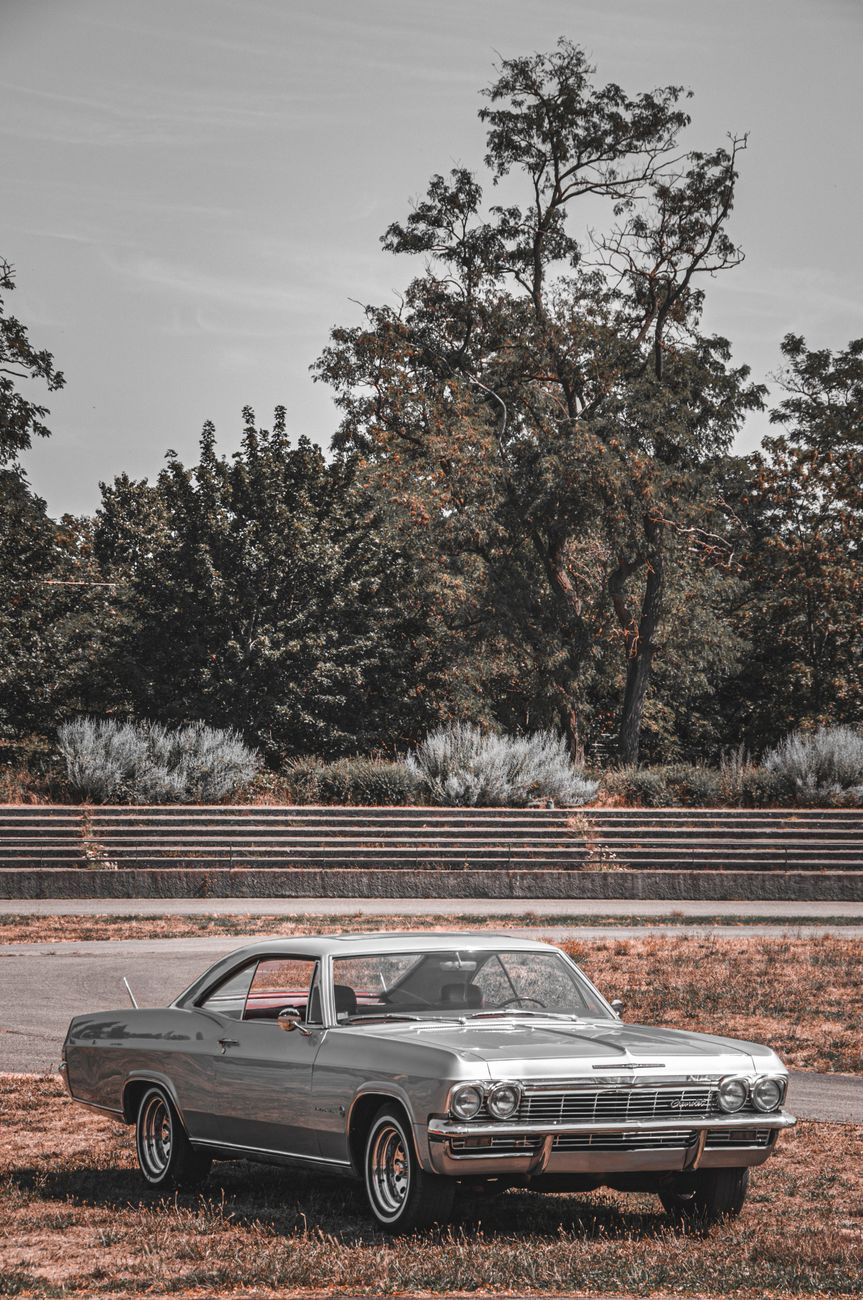
Every restoration teaches the same first lesson, and it's the same one I drill into every kid who pulls a pallet truck in my warehouse: listen before you touch. A seized engine talks in little ways. A brake-drum rasp that says the shoes are thin. An exhaust note off by half a beat. You don't trust the paper, you don't trust your memory. You listen, and you mark the hazard in red so nobody has to remember it's live.
